Driving in fog: what you need to know
Fog lights seem to be quite the conundrum on the road. We’ve all seen it; people using their fog lights when it’s not even foggy out and, in complete contrast, people not using their fog lights when barely one car length can be seen in front. So what should you do when driving in fog?
Fog is one of the most dangerous weather conditions we experience here in the UK, so it’s important to take it and the reduced visibility seriously. Fog lights are a function that really should be used at the appropriate time. Not only to uphold the law but for your own, as well as that of other road users.
Tips for driving in fog
Driving in fog isn’t just about flicking your fog lights on and hoping for the best. There are a handful of things worth keeping in mind before you set off and while you’re out on the road. So what should you do when driving in fog? Here’s what to bear in mind to keep you and everybody else safe.
Check the weather before you leave
Before setting off on the road, it might be prudent to check the weather. If fog is predicted on your route, familiarise yourself with exactly where your front and rear fog lights are in your car before you drive. This also applies if you’re in an unfamiliar car, such as a hire car. Make sure to prioritise getting to know these essential safety aspects.
Regulations for newer cars mean that Daytime Running Lights are always on, but make sure you have your headlights on if they’re not active when driving in fog.
Minimise distractions
It’s also important to minimise distractions when driving in these conditions. Things such as conversations with passengers and the radio should be limited where possible. Having the windows open slightly may also help you to listen for traffic on the road.
If the road signals ‘fog’ via digital road signs and the like, be aware and prepared for changes in visibility. Don’t rely on the rear lights of the car in front of you in order to navigate the road.
Before entering the fog, check your surroundings before doing anything else. Adjust your speed accordingly. Slow down to a speed you deem safe, having assessed the conditions. This will allow you more time for potential hazards that may appear in front of you.
Keep a safe distance away from the car in front
Next, you’ll want to consider your distance from the car in front. Adjust this as necessary, perhaps by doubling up on the usual two-second gap to four. According to the Highway Code, fog lights should only be used in fog when visibility drops below 100 metres.
However, if it is that your visibility is significantly reduced, ensure to switch on both your front and rear fog lights to not only combat reduced visibility for yourself but also increase the likelihood of you being noticed by other drivers.
Don’t use your horn unnecessarily
It might be tempting to give your horn a toot if you’re feeling a little anxious in thick fog, but it’s best to use it sparingly. A short, sharp beep can be useful to alert other drivers to your presence, perhaps at junctions or when navigating tight bends (when you deem it necessary) with limited visibility.
With that being said, if the horn is used excessively, then it can cause confusion and panic, which nobody wants on a foggy road. So it’s always important to keep it calm and considered.
Watch out at junctions and crossroads
During bad fog, junctions can be a little unnerving. With reduced visibility, it can be hard to spot oncoming traffic until it’s very close. Take your time, edge forward carefully, and maybe wind your window down to listen as well as look. If in doubt — wait. There’s nothing wrong with taking an extra few seconds at a junction, so take no notice of any impatient drivers behind and be sure.
Switch off your fog lights when it’s cleared
In accordance with the Road Vehicles Lighting Regulations of 1989, use of the front and rear fog lights when visibility is not reduced or when your car is parked is illegal, which could incur a police fine if caught, so it’s important to switch off your fog lights once the fog has lifted. If you’re unsure, a symbol should indicate on the dashboard if your fog lights are on or not. If, while driving in fog, your car is involved in an accident and you weren’t using your fog lights, it could invalidate your insurance.
Stop if visibility is too bad
Sometimes, no matter how careful you are, the fog simply wins. If visibility worsens to the point where you genuinely cannot see far enough ahead to drive safely, the right call is to pull over. Find a safe place off the road, like a layby, car park, or side road, and wait for conditions to improve before you carry on your journey.
Driving in fog at night
Driving in fog at night is slightly different from driving in fog in the day — visibility is already reduced compared to daytime driving. It’s important to assess yourself, whether you feel your front fogs are hindering or helping the situation, as with the use of high beam headlights.
Avoid using full beam headlights
This is one of the most common mistakes drivers make in foggy conditions at night. It feels instinctive to switch to full beam when you can’t see properly, but in fog, it actually makes things worse. Full beam light reflects off the water droplets in the fog and bounces straight back at you, creating a wall of glare rather than lighting up the road. Dipped headlights, combined with your front fog lights, will almost always give you a clearer view.
Be extra cautious of pedestrians and cyclists
In fog during the day, pedestrians and cyclists are hard enough to spot. At night, they can be almost invisible until you’re very close. Reduce your speed and be especially vigilant near residential areas, town centres, and anywhere pedestrians are likely to cross. Don’t assume the road is clear just because you can’t see anyone.
Give yourself more time
Driving in fog at night will more than likely take you longer than usual, and that’s fine. Give yourself extra time for your journey so you’re not tempted to push your speed. Rushing in poor visibility is more likely to cause an accident. So leave earlier and stay patient.
Driving without the worry - hire with Hiyacar
Foggy roads, unfamiliar routes, and cars you’re not quite sure how to operate — it all adds up. Whether you’re driving in your own car or getting behind the wheel of something new, being prepared and knowing your vehicle inside out makes a real difference to your safety on the road.
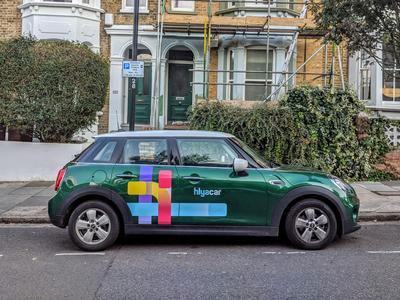
If you need a set of wheels, Hiyacar makes it simple. As a peer-to-peer car rental platform, you can rent a car from real people in your neighbourhood with no deposit required, the option to book by the hour, and even same-day pickup available. Whether you’re looking to rent a car in London, Bristol, Brighton, or further afield, there are plenty of options near you. Got a car sitting on your driveway? You could list a car and earn money while it’s not in use. Any questions? Feel free to contact us.